Faux Wood and Matte Black Post and Rope Stanchions for Resorts, Lodges and Visitor Centers
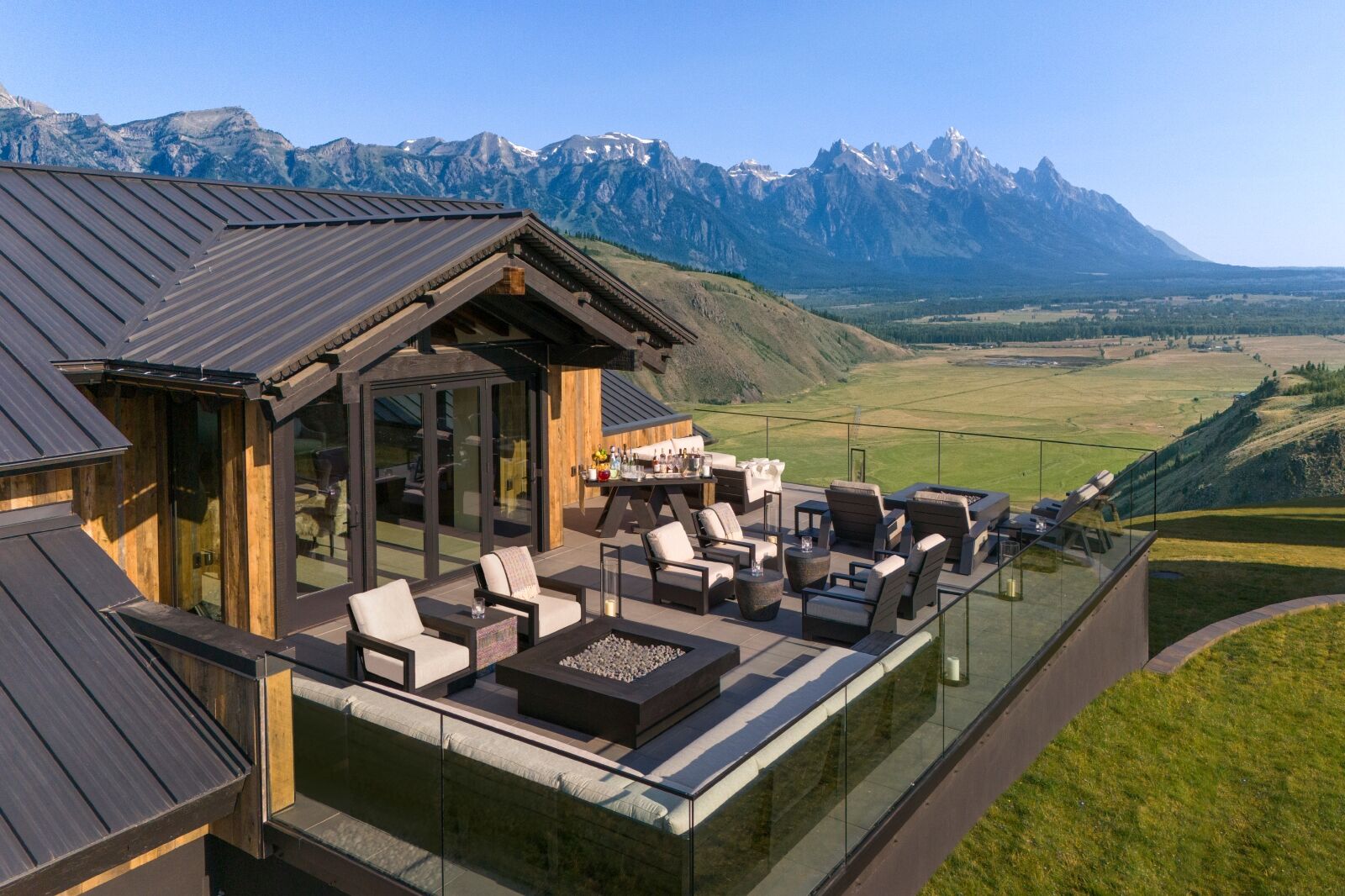
Jackson Hole and the Greater Teton region represent one of the most visually protected and design-conscious hospitality markets in the United States. From the historic elk antler arches in Town Square to the dramatic peaks of the Tetons, aesthetics matter here.
This region welcomes millions of visitors annually between:
-
Grand Teton National Park
-
Yellowstone National Park South Entrance
-
Jackson Hole Mountain Resort
-
Teton Village
-
The National Elk Refuge
Tourism remains strong year-round with summer park travel, fall wildlife viewing, and winter ski traffic.
That level of visitor volume requires organized queue management, but in Jackson Hole it must be done with restraint and architectural awareness.
Gateway to Yellowstone and the Tetons
Jackson serves as the primary southern gateway to Grand Teton National Park and the South Entrance of Yellowstone National Park. Travelers move consistently through:
-
 Downtown Jackson
 -
Moose Junction
-
Teton Village
-
Moran corridor
-
Wilson and the Snake River region
Visitors often combine trips to:
-
Old Faithful and Yellowstone geothermal areas
-
Jenny Lake
-
String Lake
-
Jackson Town Square
-
National Museum of Wildlife Art
This steady tourism corridor supports luxury lodges, boutique hotels, fly fishing outfitters, ski resorts, event venues, galleries, and high-end retail.
Historic Western Character and Rustic Luxury Design
Jackson Hole architecture leans heavily into:
-
Timber framing
-
Stone masonry
-
Log and lodge construction
-
Iron and leather accents
-
Neutral earth-tone palettes
Historic Downtown Jackson, especially around Town Square and the antler arches, preserves a strong Western character that discourages flashy metallic finishes.
Gold and chrome stanchions do not align with this environment.
Why Faux Wood Stanchions Fit This Market
Stanchion Masters® faux wood post and rope stanchions blend seamlessly into:
-
Lodge-style interiors
-
Timber-framed resort lobbies
-
Western-inspired retail spaces
-
National park visitor centers
-
Fly shop and outfitter check-in areas
Wood-grain finishes complement natural pine beams, weathered wood siding, stone fireplaces, and wool and leather furnishings.
Natural rope options in tan, brown, and muted tones maintain the aesthetic integrity of the space rather than drawing attention away from it.
Cube Tops for Modern Mountain Architecture
While much of Jackson preserves historic charm, newer construction in Teton Village, Wilson, and luxury developments throughout the valley embraces modern mountain architecture.
Cube-top stanchions integrate well into:
-
Contemporary resort lobbies
-
High-end conference spaces
-
Gallery-style retail
-
Upscale ski resort ticketing areas
They feel architectural and intentional rather than temporary.
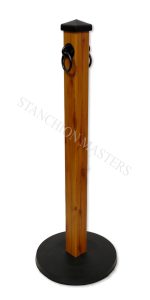 Low-Rise Pyramid Tops for Subtle Refinement
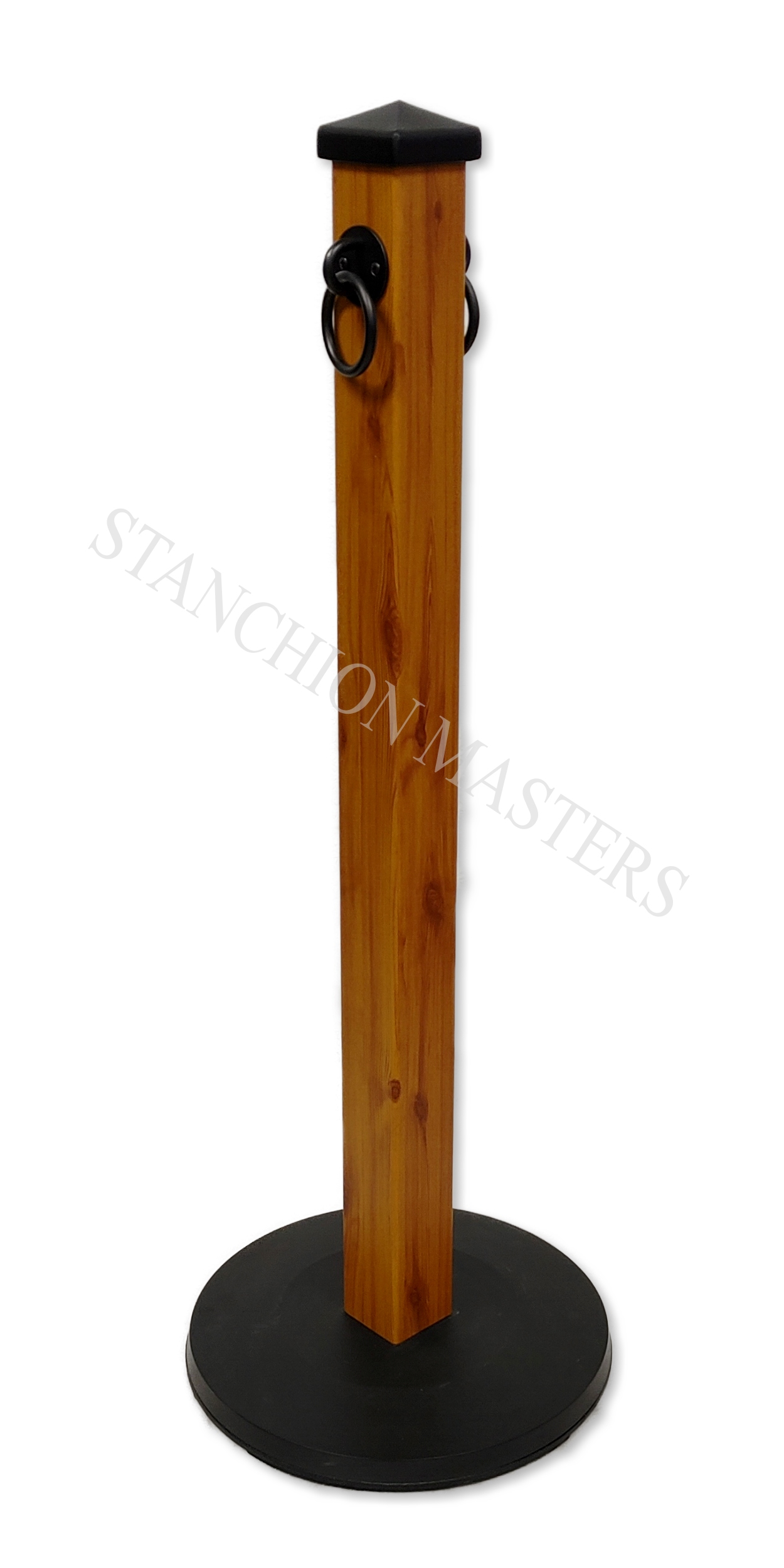
Low-rise pyramid tops are ideal for:
-
Boutique hotels
-
Mountain spas
-
Fine dining establishments
-
Cultural centers and museums
They offer refinement without ornamentation, which suits a region that values understated luxury.
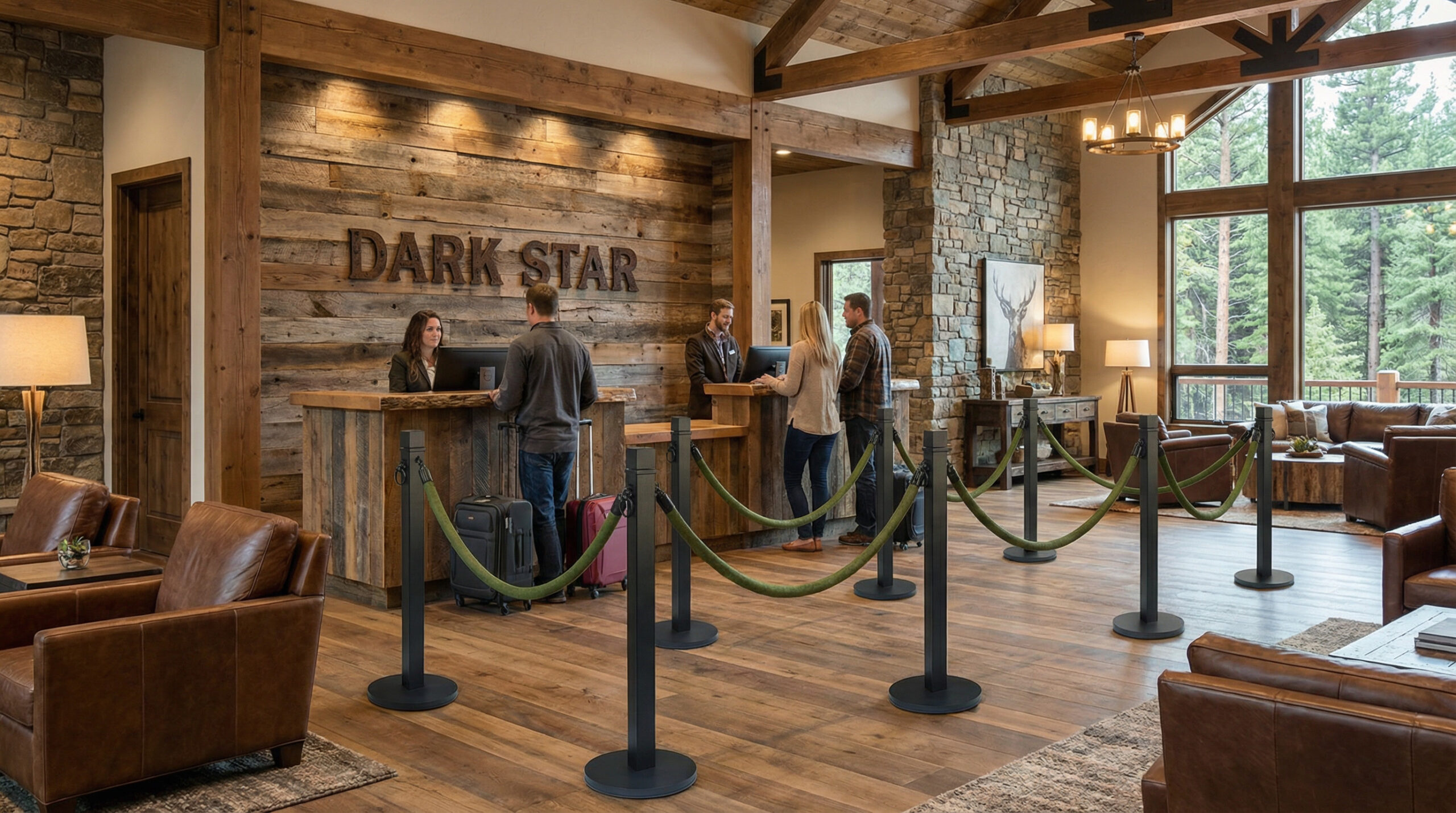
Dark Star Matte Black for Modern Mountain Interiors
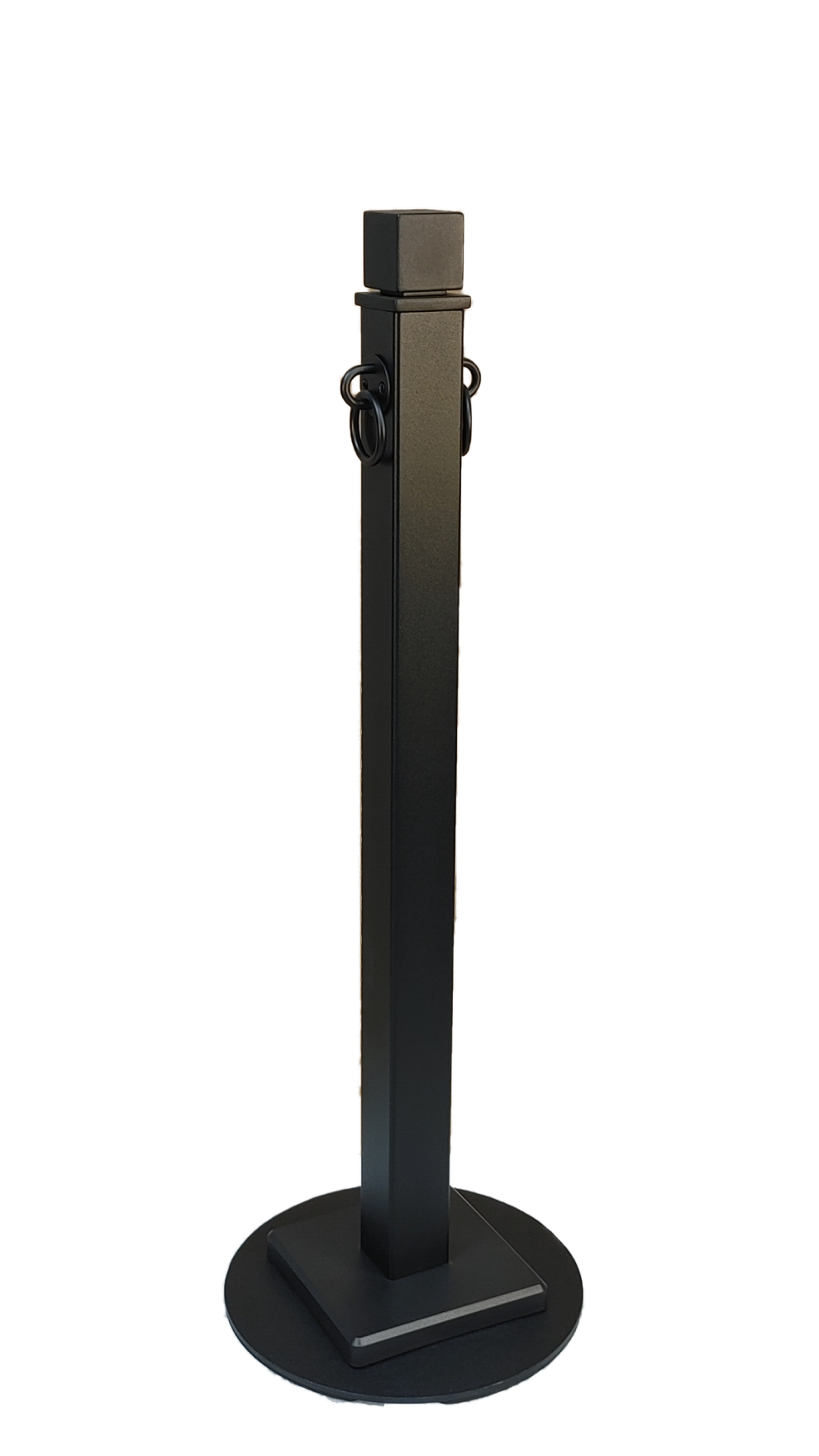 For properties that prefer contrast without shine, Dark Star matte black is the preferred alternative to gold or chrome.
Matte black works especially well in:
-
Art galleries
-
Modern alpine interiors
-
Ski lodge bars
-
Upscale retail
-
Contemporary hospitality builds
It pairs naturally with black steel window frames, iron fixtures, dark timber accents, and mountain modern design.
Residential and Development Growth in the Greater Teton Region
Jackson Hole has long been established, yet growth continues through:
-
Teton Village expansion
-
Luxury home development in Wilson
-
Alpine Wyoming corridor growth
-
Victor and Driggs Idaho residential expansion
-
Increased second-home construction
-
Workforce housing development
High property values and continued tourism demand are driving:
-
Renovations of historic properties
-
Expansion of boutique hospitality
-
New restaurant and retail development
-
Conference and event space upgrades
As development continues across the valley and surrounding communities, maintaining aesthetic integrity in public-facing spaces remains critical.